
Scroll through Instagram, Facebook, Google maps or Tripadvisor, you will come across a notable issue – a sharp rise in negative reviews for highway Dhaba’s. What once symbolized comfort and authentic flavors now often reminds us of warning signs and one-star ratings. This shift is not just defining customer dissatisfaction but also reflects a deeper issue, that is – public health, road safety, and travel trust on Indian highways and Indian highways.
“Washroom was unusable — no water, unbearable smell”, “Food tasted stale, fell sick within hours”, “Photos online are completely different from reality”, these repeated online reviews point towards systemic neglect rather than individual bad experiences and it’s a signal of nationwide concern when hundreds of travelers report similar issues across states.
Ensuring better hygiene standards at highway Dhaba’s is essential for improving the travel experience on Indian highways.
Journey from trust to trouble
Roadside Dhaba’s and highway stays were dependable pit stops for decades. Truck drivers, families, solo travelers relied on them for simple food and rest.
But with increase in highway traffic and more frequent travel, many such establishments expanded without proper planning. Which resulted in a busier kitchen but not cleaner, waste multiplied without disposable systems and safety took a back seat to profit.
What was once a small cozy family run Dhaba turned into a crowded commercial spot with no upgradation of hygiene or infrastructure.
Why are Standards So Poor?
Multiple reasons contribute to this decline
- Lack of regular inspections: Many roadside eateries are operated without proper food safety checks.
- Untrained staff: No formal training leads to poor management of food and sanitation.
- Speedy commercialization: With increase in highway travels, expansion is undertaken by owners primarily for profit without investing in safety or cleanliness.
Practical solutions – That actually works
The problem is highly serious but if it is tackled collectively, it is fixable.
Monitoring for stronger hygiene:
- Surprise inspections by food safety authorities must be conducted, especially on highways.
- Basic hygiene standards are optional, it’s obligatory.
- Immediate penalties or closure for repeated violations.
- Display of hygiene ratings for customers satisfaction.
- Mandatory food safety certification for all Dhaba’s.
Planned highway zones:
- Roadside eateries and stats must be built in designated zones and not randomly along fast-moving highways.
- A safe parking area away from traffic.
- Speed breakers and warning signs near food zones is a must.
Sanitation infrastructure:
- Clean washrooms and waste disposal should be non-negotiable.
- Regular cleaning of toilets and dining areas.
Training and Empowering owners:
- The majority of Dhaba owners are unaware how untidy space affects people.
- Simple hygiene manuals in local languages should be offered to them by the government.
Rebuilding Trust on Indian highways
Roadside Dhaba’s and highway stays are part of India’s travel culture, they are not just businesses and the rising wave of bad reviews is a clear signal that trust and rituals are breaking. Restoration of cleanliness, safety, and accountability can once again make these places a space of comfort rather than concern.
Making A Difference
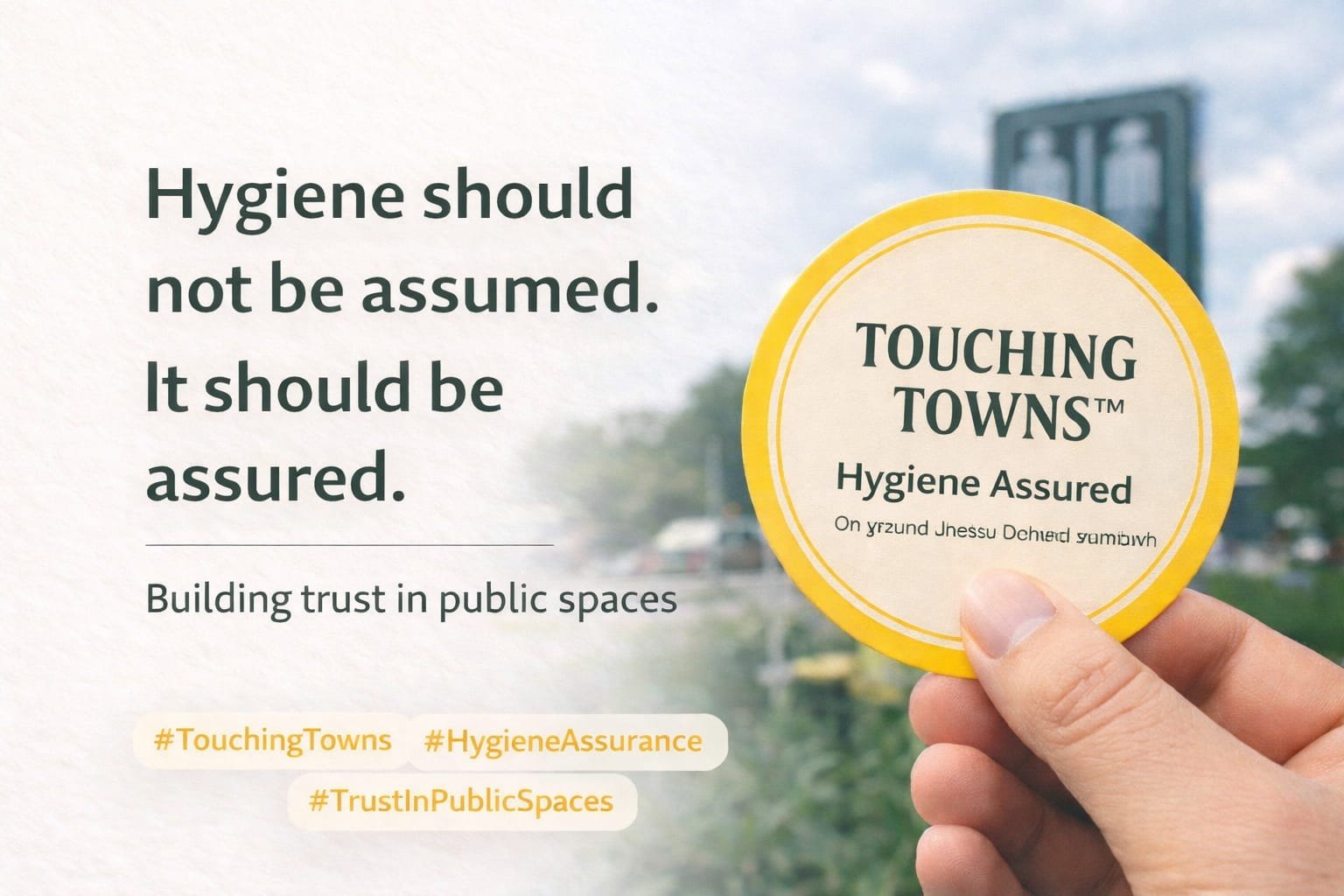
Touching Towns, a start-up with a mission towards cleanliness, safety and hygiene assesses and guides hygiene standards to ensure customers feel safe, respected, and valued. The foundation of hygiene and health reflects the true development of a country, and investing in hygiene is an investment in future generations.

With this belief, Touching Towns is taking concrete steps to uplift the industry. Acting as an educator, standard-setter, and enabler, the initiative is determined to drive real change. Touching Towns believes in educating about hygiene, with awareness and pride. They not only seek to uplift industry practices but also to serve thousands of families, truckers and solo travelers, a journey backed by hygiene and care. Because no one deserves to risk their health just to eat a meal during their journey.