


Fibermaxxing: The Best Friend of Gut Health
In this ever evolving world, everyone is running towards a good lifestyle. Good lifestyle comes with a good diet and good well-being.
Fibermaxxing is not just another wellness trend, it is a science-backed lifestyle shift toward better health. People consider fibermaxxing as a foundational approach to improving digestion, immunity, metabolism, and even mental well-being.
What is Fibermaxxing
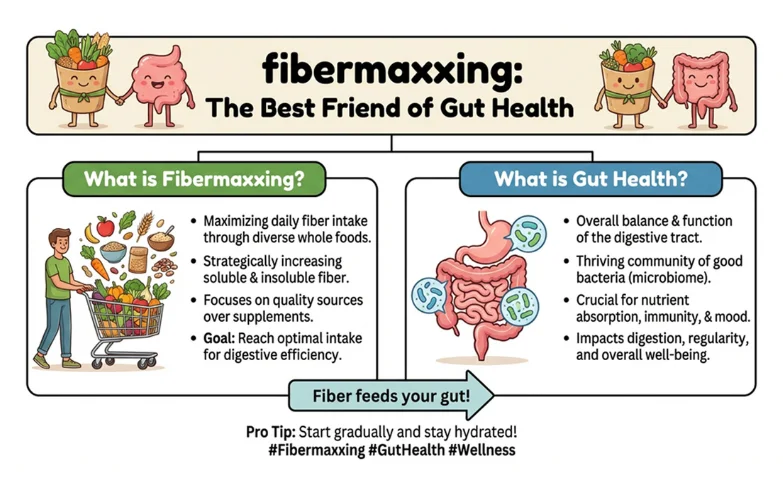
The intentional conscious effort to increase daily fiber intake through whole, plant-based foods is fibermaxxing. This approach emphasizes adding nutrient-dense, fiber-rich foods to meals and snacks instead of counting calories or cutting out food groups.
The idea is very simple: The more diverse and consistent your fiber intake, the healthier your gut becomes. Some people misunderstand it as overeating or extremes, but in reality it is about meeting or slightly exceeding recommended fiber intake through natural sources.
Reports reveal most people consume less than 15 grams daily, making fiber deficiency one of the most common nutritional gaps worldwide.
To avoid fiber deficiency, women should consume around 25–30 grams of fiber per day and men should consume 30–38 grams of fiber per day.
What is Gut Health
Gut is not just a digestive organ, it is home to trillions of microorganisms, including bacteria, fungi, and viruses, which are collectively known as the gut microbes. Immunity, hormone balance, metabolism, digestion and even brain function is influenced by these microbes.
Role of Fiber in Gut Health
SCFAs such as butyrate, acetate, and propionate are produced when fiber is fermented by gut bacteria. These compounds support immune response, strengthen the intestinal lining, improve gut barrier function, lower the risk of digestive disorders and reduce inflammation in the digestive tract.
Without enough fiber, harmful bacteria may dominate the gut which leads to acidity, bloating, constipation, frequent infection, and long term gut inflammation.
Fibermaxxing doesn’t only help your gut but also supports your whole body. It manages weight, controls sugar level, heart health, hormonal balance and mental health.
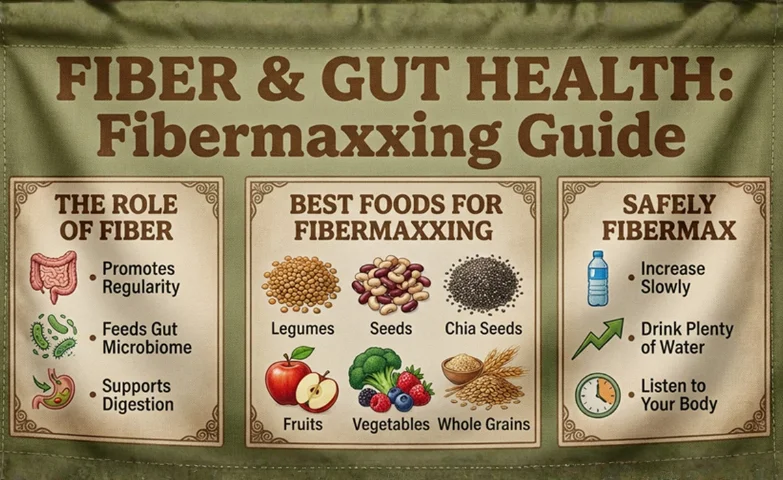
Best Foods for Fibermaxxing
Nutritions suggest that a successful fibermaxxing strategy is to focus on variety rather than relying on a single food.
Listing below some best sources of fiber:
- Vegetables: Cabbage, carrots, beetroots, spinach, sweet potatoes.
- Fruits: Bananas, figs, pears, apples, oranges.
- Whole Grains: Oats, barley, brown rice, millets.
- Nuts and seeds: Sunflower seeds, flaxseeds, chia seeds, almonds, walnuts.
- Legumes and Pulses: Chickpeas, kidney beans, green peas, soybeans.
How to Safely Fibermax
Sudden increase of fiber intake can cause discomfort to your body. For a smooth transition
- Increase gradually: Slowly add fiber over one to two weeks to allow the gut to adjust.
- Stay hydrated: Water is essential. Inadequate hydration can worsen constipation.
- Mix fiber sources: Don’t rely only on one type of fiber or food.
- Chew thoroughly: Proper chewing supports digestion.
Lastly the most important step is to listen to your body and adjust intake accordingly if you experience excessive bloating or discomfort.
ReciteYou brings thoughtful, well-researched stories that simplify health, wellness, and everyday living. We focus on clarity, credibility, and relevance—helping readers understand trends without hype. Our platform curates meaningful insights, practical knowledge, and human-centered narratives that inform decisions, encourage balance, and inspire healthier, more mindful lifestyles for modern audiences everywhere today.